Introduction
Falls are one of the leading causes of injuries and fatalities on construction jobsites. According to the Occupational Safety and Health Administration (OSHA), falls accounted for 384 of the 1,008 construction worker deaths in 2021.
Original illustration unavailable: Fall Protection and Safety Tips for the JobsiteThe good news is that falls are preventable. By following proper safety procedures and using the right fall protection equipment, workers can stay safe and prevent accidents.
What is fall protection?
Fall protection is a system of procedures and equipment that is used to prevent workers from falling from heights. It includes things like guardrails, safety nets, and personal fall arrest systems (PFAS).
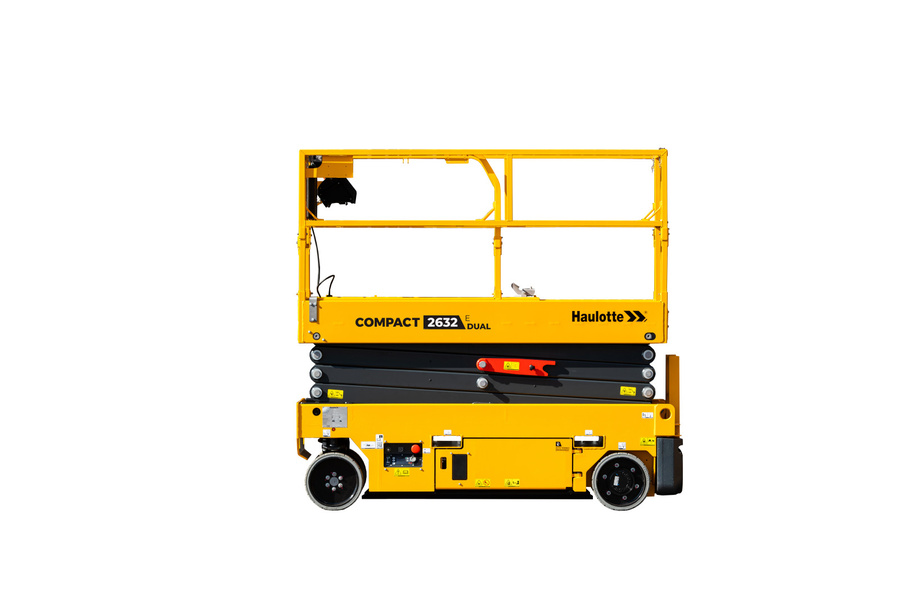
Not sure which lift is right?
Request a quote and we’ll help you choose the right equipment category for your space, height, and workflow.
No obligation • Industrial equipment specialists
Guardrails are a physical barrier that prevents workers from falling from an elevated surface. They are typically made of metal or wood and are at least 42 inches tall. Guardrails should be installed on all open edges of elevated surfaces, such as roofs, balconies, and stairs.
Original illustration unavailable: guardrailsdetail of metal guard rail under a cloudy skySafety Net
Safety nets are a mesh net that catches workers if they fall from a height. They are typically installed below elevated work areas, such as roofs and scaffolding. Safety nets should be large enough to catch a worker without causing them to bounce or hit the ground.
Original illustration unavailable: Safety NetSafety Net Applications
Safety nets can be used in a variety of applications, including:
- Roof work
- Scaffolding work
- Bridge construction
- Tower construction
- Demolition work
- Industrial maintenance
Safety Net Benefits
Safety nets offer a number of benefits, including:
- They are effective at preventing falls and saving lives.
- They can be used in a variety of applications.
- They are relatively inexpensive to purchase and install.
- They are easy to maintain.
Personal Fall Arrest System (PFAS)
Personal fall arrest systems (PFAS) are a system of straps and harnesses that attach workers to a secure anchor point. PFAS are typically used when workers are working at heights where guardrails or safety nets are not feasible.
PFAS consist of the following components:
- Harness: A harness is a piece of equipment that is worn by the worker to distribute the force of a fall over their body.
- Lanyard: A lanyard is a connecting device that attaches the harness to the anchor point.
- Anchorage: An anchorage is a secure point to which the lanyard is attached.
Employer responsibilities
Employers have a responsibility to provide their workers with a safe work environment. This includes providing fall protection for any work that is performed at heights of 6 feet or more.
Employers must also train their workers on how to use fall protection equipment safely. This training must be conducted in a language that the workers can understand.
Worker responsibilities
Workers also have a responsibility to stay safe on the jobsite. This includes using fall protection equipment whenever required and following proper safety procedures.
Workers should report any unsafe conditions to their supervisor immediately.
Fall protection equipment
There are a variety of different fall protection equipment available, depending on the specific job task. Some of the most common types of fall protection equipment include:
- Guardrails: Guardrails are a physical barrier that prevents workers from falling from an elevated surface.
- Safety nets: Safety nets are a mesh net that catches workers if they fall from a height.
- Personal fall arrest systems (PFAS): PFAS are a system of straps and harnesses that attach workers to a secure anchor point.
Fall protection safety tips
Here are some fall protection safety tips for workers to follow:
- Always use fall protection equipment when required.
- Inspect your fall protection equipment before each use.
- Make sure your fall protection equipment is properly sized and adjusted.
- Be aware of your surroundings and identify any potential fall hazards.
- Use ladders and scaffolding safely.
- Follow proper lifting and carrying procedures.
- Communicate with your fellow workers about fall hazards and safety procedures.
Conclusion
Fall protection is essential for staying safe on the jobsite. By following proper safety procedures and using the right fall protection equipment, workers can prevent accidents and save lives.
According to the Occupational Safety and Health Administration (OSHA), falls accounted for 384 of the 1,008 construction worker deaths in 2021.
The good news is that falls are preventable. By following proper safety procedures and using the right fall protection equipment, workers can stay safe and prevent accidents.
Why is Fall Protection Important?
Falls can happen to anyone, regardless of age, experience, or trade. Even a short fall can cause serious injuries, such as broken bones, head injuries, and spinal cord injuries.
Falls can be especially dangerous for workers in the construction industry. Construction workers often work at heights, and they may be exposed to a variety of fall hazards, such as unguarded edges, slippery surfaces, and falling objects.
Additional tips for employers
In addition to providing fall protection equipment and training their workers, employers can also take other steps to prevent falls, such as:
- Developing and implementing a fall protection plan.
- Identifying and eliminating fall hazards.
- Providing regular safety training.
- Monitoring and enforcing safety procedures.
Conclusion
Fall protection is a critical part of safety on the jobsite. By following the tips above, employers and workers can work together to prevent falls and save lives.