Industrial access & material handlingEquipment selection support
Industrial Man Lifts

Explore Industrial Man Lifts

Equipment departments

Man Lifts & Aerial Work Platforms
Work Platforms & Access Stands
Industrial Ladders
Scaffolding
Material Handling
Loading Dock Equipment
Aviation & Ground Support
Facility Safety
Guides & checklists
Shop equipment

Aerial work platform safety

August 24, 2013 news

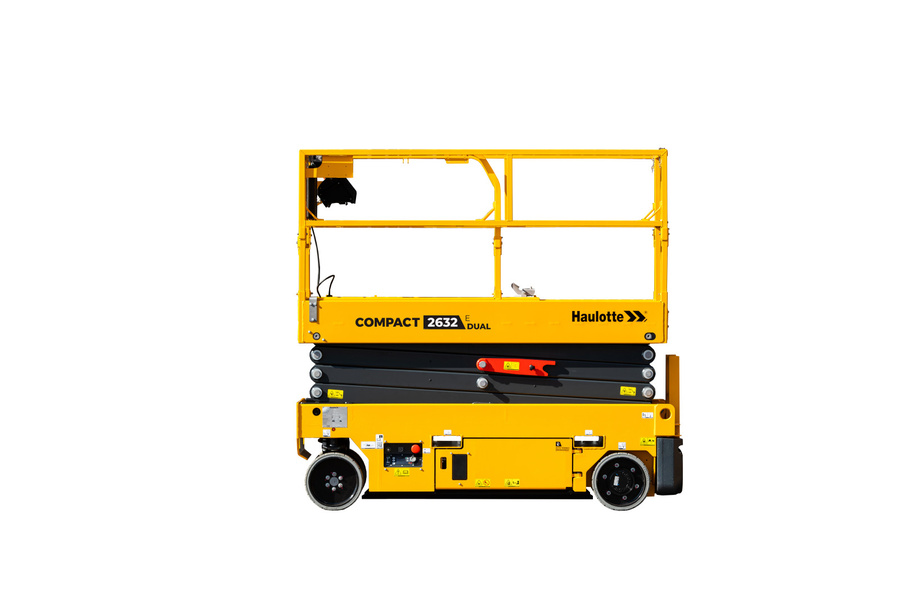
From an aerial work platform safety standpoint, working on an aerial work platform is relatively safe when one follows proper protocols. If you’re not sure how to properly maintain your aerial platform it is necessary for you to train and become certified.

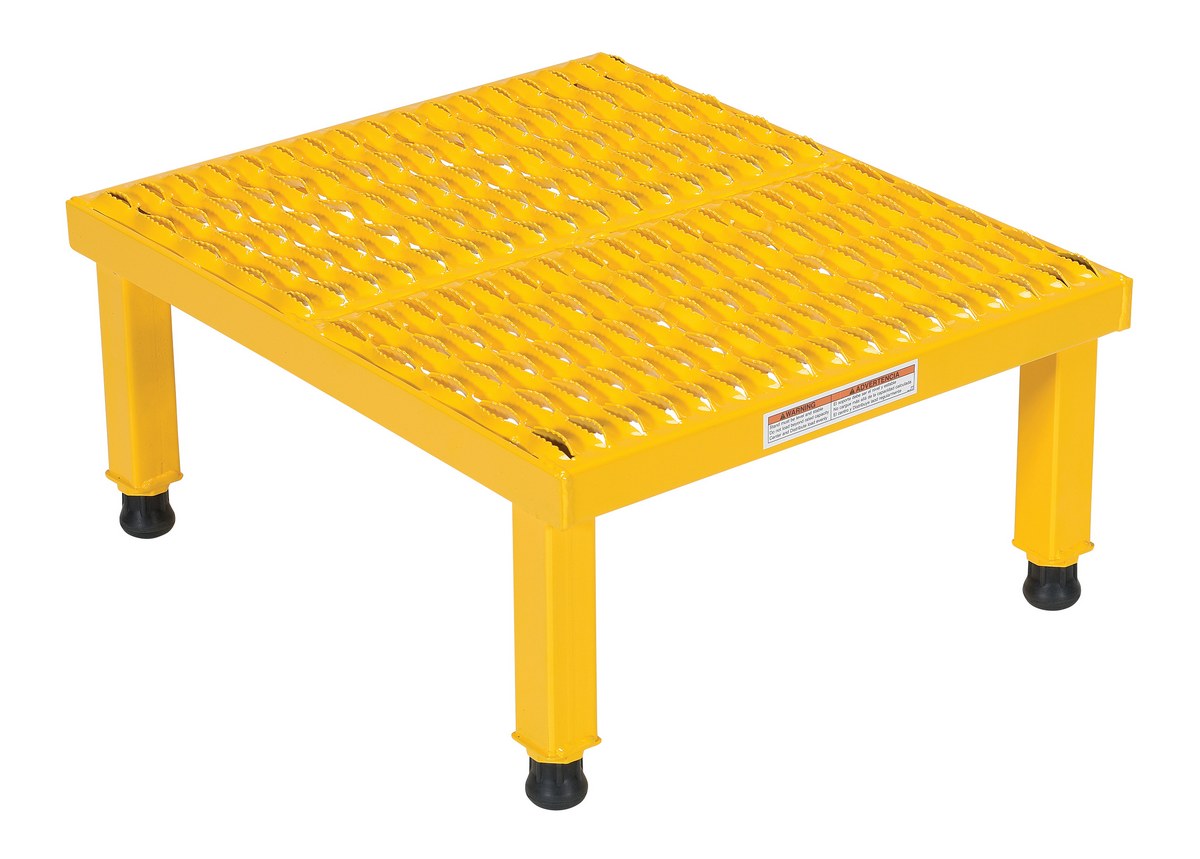
AHW Adjustable Steel Work-Mate Stands — Serrated steel
Equipment example: AHW Adjustable Steel Work-Mate Stands — Serrated steel. Confirm the selected model and configuration for your application. View equipment

Some original inline illustrations are unavailable. The equipment photograph above is identified separately.

From an aerial work platform safety standpoint, working on an aerial work platform is relatively safe when one follows proper protocols. Unfortunately, in cases where aerial work platforms are involved in accidents (e.g. scissor lifts toppling over), the rate of fatality is pretty high. So, though accidents are infrequent, when they do occur they’re likely to result in a fatality. To give a more precise example, the U.S. Bureau of Labor Statistics estimates that approximately 75% of all scissor lift accidents result in a fatality. One of the main problem areas of aerial work platform safety & use occurs when individuals attempt to use the platforms for purposes other than their intended use. That’s not to say there is only ONE way to use a lift. It is, however, important that the no matter how one intends to use the lift that the manufacturer has deemed this method appropriate and has certified and rated it as such. Original illustration unavailable: Aerial work platform safety Aerial work platform safety Another area that people seem to miss when it comes to working on aerial platforms and aerial work platform safety is ensuring that all the controls function properly before ascending the lift.

Aerial work platform safety guidelines to follow regarding controls are as follows:

  •  Make sure the control snaps back to the default position and doesn’t stick
  • Ensure all controls are protected against accidental activations
  • Label or re-label all controls based on their function
  • Have a working override control
  • Ground level must have an emergency control
It’s common for aerial work platforms (especially older models) to not have the proper control markings, to not function properly, and to not have a proper work load rating. Each of these missing elements plays a role in decreasing the safety factor of using an aerial work platform. So, one might wonder, “What can I do?” Actually, there are three necessary tasks that need to take place when it comes to the proper operation of an aerial work platform:
  1.  Maintain
  2. Inspect
  3. Test
These three tasks are what will help an operator keep their aerial work platform in proper working order. Without each of them one could unknowingly operate a machine that had cracks in its welds, contained broken structural components, had leaks from the hydraulic of fuel lines, or had other damaged parts (such as cables, controls, or wires). Not paying attention to each of these regular wear and tear signs vastly increases the risk of an accident and, therefore, some kind of harm to the platform operator. If you’re not sure how to properly maintain your aerial platform it is necessary for you to train and become certified. Many places only offer cursory training; however, the more knowledgeable a user is of the equipment under their control, the less likely an accident will happen and the more productive they will be. Knowing the potential hazards and proper procedures for operation is fundamental to understanding how your equipment works and what to look out for. Training on fall protection, use on unstable surfaces, limits of wind-exposure, and load capacity are just some areas that one should focus on. In fact, the training for use of such high powered machinery really needs to be ongoing--because, well, there is just so much to learn.

FAQ

What does this guide cover?

This article explains Aerial work platform safety and the decision points that typically matter for industrial buyers.

How do you choose the right access equipment for the job?

Start with working height and footprint constraints, then confirm capacity, safety requirements, and how often the equipment must be repositioned.

Which categories should I compare next?

Browse these related categories: Man Lifts & Aerial Work Platforms , Lift Batteries , Forklift Work Platforms , Personnel Scissor Lifts .

How do I get pricing or confirm fit?

Request a quote with your application details and we’ll respond with pricing, options, and best-fit guidance.

Related Equipment

Relevant products referenced or implied by this article.

Explore More Categories

Category-first browsing helps you compare specs fast.

Related Articles

More resources that may help your equipment selection.

More guides & checklists

High-value resources designed to be easy to reference and share.

Resource hub

Ready to get pricing?

Need pricing or availability?

Request a quote with your requirements and our team will follow up fast.

No obligation B2B sourcing

Get pricing for this category

No obligation • Specialists

Get Pricing